




Blogs
What Does IBDP Ask Students to Do Differently?
The transition into the IBDP is not simply a move to a different syllabus. It can change what students are expected to do with what they learn.
Instead of relying mainly on remembering information and preparing for examinations, students encounter greater emphasis on asking questions, analysing evidence, conducting research, reflecting on their reasoning and communicating conclusions.
Understanding these expectations gives families a clearer picture of the IBDP learning approach and the student habits it seeks to develop.
From Receiving Information to Working with It
One important change is the student’s role in academic learning. The IB describes its programmes as encouraging students to explore relationships between academic disciplines and connect learning to the world around them.
That can affect every day academic work. Rather than stopping after finding an answer, a student may be asked why the answer is convincing, what evidence supports it or whether another interpretation is possible. In a discussion, this could mean explaining a position rather than simply stating it. In an assignment, it could mean comparing sources or applying a concept to a new situation.
The IB diploma learning style therefore places importance on using knowledge, not only acquiring it. The DP combines six subject groups with its core, giving students opportunities to engage with concepts, evidence, analysis and application. Knowing a definition is only the starting point when the task requires students to interpret, evaluate or construct an argument.
From Completing Assigned Work to Taking Responsibility
The IB diploma student experience also involves sustained independent work. The Extended Essay introduces students to self-directed research, requiring them to investigate a focused question, work with evidence and communicate their findings with guidance.
This is different from completing a short assignment with a predetermined answer. Students have to make decisions during the process: how to narrow a question, which information is useful, how evidence should be interpreted and how an argument should be organised. Teachers continue to provide structure and feedback, but students gradually take greater ownership of the work.
Reflection adds another layer. The IB learner profile includes being reflective, encouraging students to consider how they approached learning and where their thinking could improve.
For example, after receiving feedback on an argument, a student may need to identify why the reasoning was unclear and change their approach in a later task. The point is not simply to correct one assignment, but to become more aware of how learning can improve.
From Separate Subjects to Connected Thinking
The IBDP asks students to engage with a broad academic programme while also examining how knowledge is developed. Theory of Knowledge, for example, asks students to consider the nature of knowledge and how we know what we claim to know.
This encourages attention to evidence, assumptions and perspectives. Those habits can become useful across subjects. A student studying history may compare interpretations of an event. A science student may consider the evidence supporting a conclusion. A student working on a research project may need to distinguish between information that is relevant and information that is simply available.
This is where the IBDP skills students develop become visible. Research, critical thinking, communication, self-management, reflection and information evaluation are not separate additions to academic learning. They emerge through the work students are asked to undertake.
What Should Parents Look For?
Parents considering an IBDP pathway should look beyond whether their child can manage a demanding workload. The more useful question is what students are being asked to do.
Parents can ask whether classroom discussions require students to explain reasoning, whether feedback encourages them to revise their thinking, how independent research is supervised and how students learn to manage longer academic tasks. Looking at examples of student work can also be revealing. Work that shows evidence, analysis, reflection and a reasoned conclusion gives a clearer picture of the learning experience than a curriculum label alone.
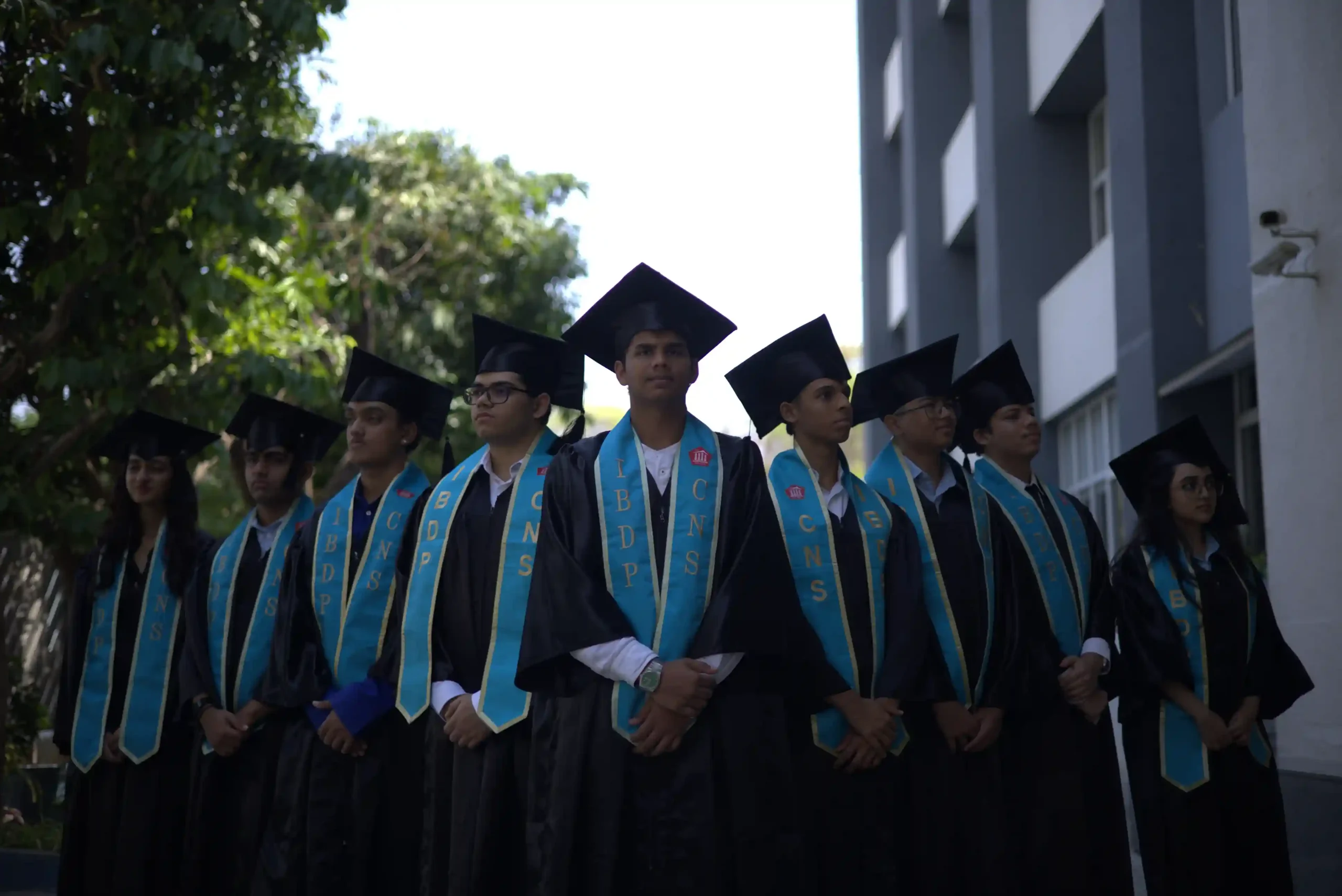
For families exploring the IBDP in Mumbai, Chatrabhuj Narsee School Mumbai is an IB World School authorised to offer the Diploma Programme, with IB school status beginning in 2020. CNS Mumbai also offers Cambridge pathways, including Cambridge Upper Secondary followed by the IBDP.
The relevant question for parents is how that pathway translates into the student’s experience. Are students being given opportunities to investigate questions, work independently, respond to feedback and communicate their reasoning? Those are the behaviours that make the difference between simply completing an IBDP and learning through it.
Final Thoughts
The IBDP asks students to change their role in learning. They are expected to investigate rather than simply receive information, apply knowledge rather than merely recall it, and take increasing responsibility for research, reasoning and reflection.
That is the central idea behind the IBDP programme. The qualification matters, but so does the way students learn while working towards it.
For families evaluating an IBDP pathway, the most useful question is therefore not just what students’ study. It is what students are consistently expected to do with what they study.
FAQs
Is the IBDP mainly about harder academics?
Not simply. The programme has substantial academic expectations, but it also emphasises inquiry, independent research, reflection, communication and applying knowledge.
Does the IBDP require students to learn independently?
It develops increasing independence, but students are not expected to learn without guidance. Teacher expertise, feedback and structured support remain important.
What skills can students develop through IBDP?
Students can develop research, critical thinking, communication, reflection, self-management, information evaluation and analytical skills through different academic tasks.
Is the IBDP learning approach suitable for every student?
Students differ in their interests, learning preferences and readiness for independent academic work. The more useful question is whether the programme’s expectations align with the student’s strengths, goals and willingness to develop.